Sewing Junk Journal Paper: Vintage Charm for Crafters
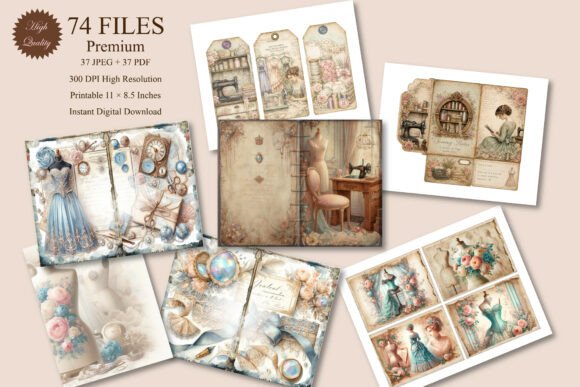
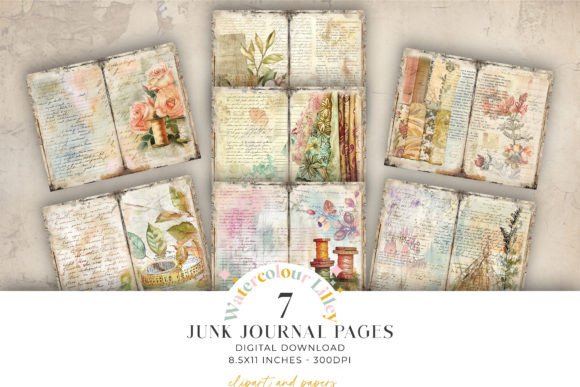
There’s a certain magic in the tangible, a warmth that digital screens can’t quite replicate. For crafters, journalers, and artists, the hunt for materials that tell a story is part of the creative process. Sewing Junk Journal Paper captures this essence perfectly. It’s not just a collection of decorative sheets; it’s a curated toolkit of textures, patterns, and vintage motifs designed to build narrative and depth. Imagine pages that whisper of old ateliers, with delicate stitch lines, faded fabric swatches, and the elegant silhouette of antique sewing machines. This collection, featuring 7 unique pages at 11" x 8.5" and 300dpi, offers a high-resolution foundation for transforming any journal into a tactile, visual story.
The Visual Language of a Sewing Theme
The personality of this paper set is unmistakably shabby chic and vintage. Its appeal lies in its layered, aged aesthetic. You’ll find soft, muted color palettes—think dusty roses, ivory, and sepia tones—combined with intricate details like cross-stitch patterns, seamstress diagrams, and Victorian-era typography. The textures mimic everything from well-worn linen to fragile parchment, creating a sense of history and authenticity. This isn't a sterile, modern graphic; it’s a creative font for the page itself, where the “characters” are visual elements. For a designer or content creator, this provides an immediate brand identity rooted in craftsmanship, tradition, and handmade care.
These papers function much like a display font in a layout. They are meant to be the focal point, setting a distinct mood. A page featuring a detailed sewing machine illustration can serve as a powerful centerpiece for a collage, while a sheet of subtle stitch marks can act as a textured background that unifies other elements. The style influences the entire project's visual hierarchy, guiding the eye and establishing a nostalgic, artisanal tone from the first glance.
Practical Applications Beyond the Journal
While the name suggests a specific use, the utility of these design assets extends far into professional and personal projects. Think of them as versatile premium font alternatives for visual communication. Here’s where they truly shine:
- Branding & Marketing: Ideal for businesses in the textile, handmade, or vintage markets. Use them to create unique social media backgrounds, website hero images, or packaging inserts that reinforce a brand story of quality and heritage. The font pairing of these papers with a clean sans serif font for body text creates a beautiful contrast that feels both professional and approachable.
- Publishing & Editorial Design: Perfect for zine layouts, book covers for cozy mysteries or historical fiction, or as chapter title pages in a self-published memoir. They add instant character and period-appropriate flair that generic stock images cannot match.
- Digital & Print Projects: The 300dpi resolution ensures they are crisp for both high-quality print and digital use. Design invitations for a sewing circle, create printable wall art for a craft room, or develop a series of blog graphics for a DIY tutorial site.
Integrating Papers into Your Creative Workflow
Working with decorative papers like this requires a thoughtful approach, similar to selecting a serif font for a book or a script font for an invitation. The goal is cohesion, not clutter.
- Evaluate Project Fit: Before you print or layer, consider the overall message. Is it whimsical? Formal? Rustic? The sewing theme carries a specific vibe. It works beautifully for projects celebrating slow living, creativity, and nostalgia, but might feel out of place in a futuristic tech context.
- Test Layering and Pairings: Don't just use the paper as a flat background. Experiment with transparency, cutting out elements, and layering them over solid colors or other textures. Pair a busy Victorian-printable page with a simple, solid-colored cardstock to give the eye a place to rest.
- Focus on Readability: If you're adding text, ensure it has enough contrast. Overlaying a handwritten font on a detailed sewing machine print might be illegible. Use a solid shape or a semi-transparent vellum layer behind your text to maintain clarity. This is where modern typography principles are crucial—the vintage paper is the star, but your message must still be read.
- Review Licensing for Commercial Use: Always verify the terms. For entrepreneurs and small business owners, understanding whether these commercial font assets can be used in products for sale is critical. Most reputable digital supplies offer licenses that cover both personal and commercial projects, but it's a step you cannot skip for professional work.
Ultimately, these junk journal supplies are more than paper; they are catalysts for creativity. They provide a starting point that can elevate a simple project into a cohesive, story-driven piece. Whether you’re a hobbyist building a memory journal or a marketer crafting a campaign for a boutique fabric store, this collection offers a tangible connection to the art of making. It’s a reminder that the best designs often begin with materials that have a soul.